
blog
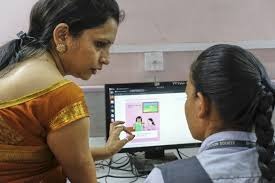
Bridging the Gap How Technology is Transforming Student-Teacher Interactions

Keywords that will be used in this article:
- Primary Keywords: educational technology, modern teaching methods
- Secondary Keywords: classroom technology, digital education
The educational landscape is experiencing unprecedented transformation as students and teachers navigate a rapidly evolving technological environment. The integration of digital tools and platforms has fundamentally altered how educational interactions occur, creating both challenges and opportunities for all stakeholders in the learning process.
The Communication Revolution in Education
The traditional classroom communication model—characterized by one-to-many instruction and limited feedback channels—has given way to a more dynamic, multi-directional approach. Educational technology has enabled this shift by providing diverse platforms for interaction that extend beyond physical classroom walls and scheduled class periods.
According to the OECD Trends Shaping Education 2025 report, this communication revolution represents one of the most significant transformations in modern education. Digital platforms now facilitate continuous dialogue between students and teachers, creating opportunities for more personalized guidance, timely feedback, and collaborative problem-solving.
The impact of this shift is reflected in engagement statistics that show student participation rates increasing from just 5% in traditional learning environments to 62.7% in technology-enhanced, active learning settings. This dramatic improvement demonstrates how digital tools can help overcome traditional barriers to meaningful educational interaction.
Tools and Platforms Reshaping Classroom Dynamics
The modern educational technology ecosystem encompasses a diverse array of tools designed to enhance student-teacher interactions:
Learning Management Systems
Comprehensive digital platforms now serve as central hubs for educational communication, resource sharing, and assessment. These systems provide structured environments where teachers can organize course materials, track student progress, and facilitate discussions. For students, they offer single-point access to assignments, feedback, and communication channels with instructors.
Real-Time Collaboration Tools
Digital platforms that enable synchronous collaboration have transformed how students and teachers work together. Shared documents, virtual whiteboards, and video conferencing tools create spaces where ideas can be developed collectively in real-time, regardless of physical location. This capability has proven particularly valuable during periods of remote learning but continues to enhance in-person education as well.
Formative Assessment Applications
Digital assessment tools provide teachers with immediate insights into student understanding, allowing for rapid instructional adjustments. These applications transform assessment from a periodic event into an ongoing process that informs teaching decisions and provides students with continuous feedback on their progress.
Challenges and Opportunities in Tech-Mediated Education
While educational technology offers tremendous potential for enhancing student-teacher interactions, its implementation presents both challenges and opportunities:
Digital Equity Concerns
The World Bank’s analysis emphasizes that digital solutions must be implemented thoughtfully to create equitable education systems. Access disparities related to device availability, internet connectivity, and digital literacy can exacerbate existing educational inequalities if not addressed proactively. Successful technology integration requires comprehensive strategies to ensure all students can benefit from enhanced digital interactions.
Balancing Efficiency and Personalization
Digital tools can significantly increase the efficiency of educational communication, allowing teachers to provide more frequent feedback and support to larger numbers of students. However, maintaining the personal connection that underlies effective teaching relationships requires intentional effort in digital environments. The most successful approaches combine automated systems with opportunities for genuine human interaction.
Developing New Interaction Skills
Both students and teachers must develop new competencies for effective interaction in technology-mediated educational environments. This includes understanding digital communication norms, practicing active listening in virtual settings, and creating psychological safety in online learning communities. Professional development increasingly focuses on these digital interaction skills as essential components of modern teaching practice.
The Future of Technology-Enhanced Educational Interactions
Looking ahead, several emerging trends will likely shape the continued evolution of student-teacher interactions:
Artificial Intelligence and Personalization
AI-powered educational tools are increasingly capable of analyzing student performance patterns and providing customized support. While these systems cannot replace human teachers, they can enhance the personalization of learning experiences by providing targeted resources and practice opportunities based on individual needs.
Immersive Learning Environments
Virtual and augmented reality technologies are creating new possibilities for immersive educational experiences that facilitate different types of student-teacher interaction. These technologies enable shared exploration of virtual environments, creating unique opportunities for collaborative learning and guided discovery.
Data-Informed Teaching Practices
Advanced analytics tools provide teachers with unprecedented insights into student learning patterns, enabling more targeted and effective instructional approaches. This data-informed teaching represents a significant shift from intuition-based practices toward evidence-driven educational decision-making.
In conclusion, educational technology is fundamentally transforming how students and teachers interact, creating new possibilities for communication, collaboration, and personalized learning. While these changes present implementation challenges, they also offer tremendous opportunities to enhance educational relationships and improve learning outcomes. The most successful approaches will be those that thoughtfully integrate digital tools while maintaining focus on the essential human connections that drive effective education.


Technological innovation is accelerating changes that impact every aspect of modern life. From how we study to how we manage businesses, digital tools have made processes faster, smarter, and more accessible. The continuous development of new solutions also fosters creativity and paves the way for business models that were previously unfeasible.
One of the most significant transformations is the widespread adoption of artificial intelligence. Today, it assists in data analysis, task automation, and the creation of more personalized consumer experiences. Combined with advancements in cloud computing and high-speed connectivity, this technology enables people to work, learn, and collaborate from anywhere while maintaining productivity and efficiency.
The online world has also expanded impressively, bringing together platforms for virtually every type of interest. Beyond services focused on education, communication, shopping, and entertainment, there are specialized environments like 20Bet, demonstrating how the internet hosts a vast array of resources capable of meeting the needs of diverse audiences.
Another highlight is the advancement of predictive technology. By leveraging large volumes of data, companies can anticipate demand, identify behavioral patterns, and optimize operations. In healthcare, these solutions help detect risks more quickly. In the industrial sector, they contribute to reducing equipment failures and increasing production efficiency. In retail, they make product recommendations more accurate and relevant to each consumer.
At the same time, ethics and security in the digital environment are becoming increasingly important. Personal data protection, transparency in the use of artificial intelligence, and combating cyber threats have become priorities for both organizations and users. Investing in digital literacy and adopting security best practices are essential steps toward reaping the benefits of innovation responsibly.
As new technologies continue to emerge, the future promises experiences that are even more integrated between the physical and digital worlds. Augmented reality, advanced robotics, quantum computing, and ultra-fast communication networks are set to drive a new phase of global development. The ability to learn, adapt, and harness these innovations will be a key differentiator for those seeking to grow in an increasingly connected, competitive, and technology-driven landscape.


Ever wonder why some slot machines seem to pay out frequently while others leave you with empty pockets? The secret might lie in something players call “loose” machines. These are the slots that tend to have better payouts, giving you more chances to win. But how do you find them? Is it just luck, or are there specific signs to look for? In this article, we’ll explore strategies to help you identify loose slot gacor hari ini machines and make the most of your time at the casino.
Understanding Slot Machine Payouts and Odds
What Does “Loose” Mean in Slot Terms?
A “loose” slot machine refers to a game that offers frequent payouts, even if they’re small. These machines typically have a higher payout percentage compared to others, giving players a better shot at coming out ahead.
The Role of RTP (Return to Player) in Slot Machines
RTP stands for “Return to Player,” and it measures how much money a slot machine returns over time. For example, a machine with a 95% RTP will theoretically pay out $95 for every $100 wagered. The higher the RTP, the looser the machine is likely to feel.
Volatility vs. RTP: How They Affect Your Chances of Winning
While RTP measures long-term returns, volatility judi bola affects how often and how much you win in a short period. High-volatility games may offer large payouts but less frequently. Low-volatility slots, on the other hand, provide smaller but more frequent payouts—often preferred by players looking for loose machines.
Tips for Finding Loose Slot Machines in Casinos
Look for Machines Near High-Traffic Areas
Casinos strategically place loose machines in areas where many people walk by—like near entrances, bars, or food courts. They want passersby to see players winning, creating excitement and encouraging more people to play.
Avoid Machines Hidden in Corners
Slots tucked away in secluded or quiet corners tend to be tighter. Since these machines are less visible, casinos may not feel the need to make them as attractive with higher payouts.
Spotting Patterns and Trends in Casinos
Play During Off-Peak Hours
While there’s no scientific proof, some players believe they have better luck during off-peak hours, like early mornings or late at night. With fewer players around, casinos might adjust the odds slightly to maintain engagement.
Talk to Other Players and Casino Staff
Frequent players often share tips about which machines have been paying out. Similarly, casino staff—if approached politely—might drop hints about popular or “hot” machines.
Choosing the Right Types of Slot Machines
Standalone vs. Linked Progressive Slots
Standalone machines have their own jackpot, while progressive slots are linked across multiple games, offering larger prizes but lower payout percentages. If you’re hunting for looser machines, standalone slots might be your best bet.
The Appeal of Classic 3-Reel Machines vs. Video Slots
Classic 3-reel machines tend to have simpler mechanics and may offer more consistent payouts. In contrast, modern video slots are flashier but often have more complex payout structures that can reduce the odds of frequent wins.
Checking the Slot Machine’s Display for Information
Analyzing Paytables and Game Rules Before Playing
Before you sit down, take a moment to review the game’s paytable. Look for symbols or combinations that trigger bonuses and check how frequently payouts occur.
Look for Machines Advertising High Payout Percentages
Some casinos openly advertise machines with high payout rates, like “98% payout.” These slots are usually placed in visible areas to attract players, situs slot so keep an eye out for these signs.
Common Myths and Misconceptions About Loose Slots
Myth: Casinos “Loosen” Machines on Certain Days
Some believe that casinos make machines looser on weekends or during special events to draw more crowds. However, slot machine odds are typically set and controlled by the game’s software, with no daily adjustments.
Myth: Machines on Winning Streaks Keep Paying Out
Just because a machine has been paying out doesn’t mean it will continue to do so. Each spin is independent, and past results don’t influence future outcomes.
Testing a Machine Before Committing
Start with Small Bets to Assess Payout Frequency
It’s a good idea to begin with small bets. If you notice frequent payouts, the machine might be loose. If not, it’s better to move on.
Walk Away if the Machine Feels Cold
Sometimes, it’s best to trust your gut. If a machine isn’t paying after several spins, don’t hesitate to switch to another one.
Managing Your Expectations and Budget
Set a Loss Limit Before You Start Playing
Gambling should always be fun, not stressful. Set a budget beforehand, and stick to it—this way, you can enjoy your experience without overspending.
Take Breaks and Pace Your Gameplay
It’s easy to lose track of time while playing slots. Taking breaks helps you stay in control and keeps your mind sharp.
Online Casinos: Do Loose Slots Exist in the Digital World?
How to Spot High-RTP Games Online
Many online casinos publish RTP percentages for their games. Look for slots with an RTP of 96% or higher to improve your odds of winning.
Use Bonuses and Promotions to Extend Playtime
Online casinos offer various bonuses, like free spins or match bonuses. These promotions give you extra chances to play without risking your own money.
Conclusion
Finding loose slot machines isn’t an exact science, but following the tips in this article can improve your chances. Look for high-traffic areas, pay attention to RTPs, and don’t hesitate to switch machines if things aren’t going your way. Whether you’re playing in a casino or online, always remember to gamble responsibly and have fun.
FAQs
- How do casinos determine which machines are loose?
- Payout percentages are set by the machine’s software and approved by regulators.
- Are progressive slots always tighter than non-progressive machines?
- Yes, because they contribute to a shared jackpot, lowering overall payouts.
- Can changing the denomination increase payout odds?
- Higher-denomination machines often have better RTPs.
- Is there a way to know the RTP of a specific machine?
- Some machines display their RTP, but it’s not always visible in land-based casinos.
- Do online slot games offer better payouts than land-based slots?
- Yes, online slots often have higher RTPs, typically between 96% and 98%.

Introduction
The term bola slot is commonly used in online search trends to describe platforms or activities that combine football betting (“bola”) and slot machine gaming (“slot”). While the phrase often appears in promotional contexts, it is important to understand the mechanics, risks, probability structures, and responsible gaming principles behind these forms of gambling.
This guide provides an educational overview of what bola slot typically refers to, how football betting works, how slot games function, the mathematics behind both, and the risks involved. The goal is to provide clarity and awareness rather than encourage participation.
Understanding the “Bola” Component (Football Betting)
Football betting is one of the most popular forms of sports wagering worldwide. The “bola” part of bola slot refers to betting on football matches, leagues, tournaments, and live events.
How Football Betting Works
In football betting, participants place wagers on predicted outcomes of matches. Common betting markets include:
- Match winner (home/draw/away)
- Over/under total goals
- Asian handicap
- Correct score
- First goal scorer
- Both teams to score
Each outcome is assigned odds. These odds reflect:
- Probability of the event happening
- Market demand
- Bookmaker margin
Types of Odds
There are three main formats:
- Decimal odds (e.g., 2.00)
- Fractional odds (e.g., 1/1)
- American odds (e.g., +100)
All formats represent the same underlying probability expressed differently.
Implied Probability
For decimal odds:
Implied Probability = 1 / Decimal Odds
For example:
Odds of 2.00 = 1 / 2.00 = 50% implied probability
However, bookmakers build in a margin, meaning the true probability is slightly lower than displayed.
Popular Football Betting Markets
- Match Result (1X2)
- 1 = Home win
- X = Draw
- 2 = Away win
This is the most basic football betting option.
- Over/Under Goals
Betting on whether total goals will exceed or fall below a number (e.g., 2.5 goals).
- Asian Handicap
Asian handicap removes the draw option by giving one team a virtual advantage or disadvantage.
Example:
- Team A -1
- Team B +1
This levels the playing field when teams are mismatched.
Live Betting in Bola Slot Context
Live betting allows wagers during a match. Odds shift dynamically depending on:
- Current score
- Possession
- Injuries
- Time remaining
- Red cards
Live betting increases risk because decisions must be made quickly, often emotionally.
Understanding the “Slot” Component (Slot Machine Games)
The “slot” part of bola slot refers to digital slot machines, which are games of chance based on random number generators (RNG).
How Slot Machines Work
Modern slot machines operate using:
- Random Number Generator (RNG)
- Reels and paylines
- Symbols
- Return to Player (RTP)
- Volatility
Random Number Generator (RNG)
RNG ensures each spin is independent and random. No spin is influenced by previous spins.
This means:
- There is no pattern.
- There is no guaranteed “due win.”
- Systems claiming to predict results are unreliable.
Return to Player (RTP)
RTP represents the theoretical percentage of total wagers that a slot returns to players over millions of spins.
Example:
- RTP 96% means over time, for every $100 wagered, $96 is returned (theoretically).
However:
- RTP applies long-term.
- Short-term results vary significantly.
Volatility (Variance)
Slot volatility determines win frequency and payout size.
Low volatility:
- Smaller wins
- More frequent payouts
High volatility:
- Larger payouts
- Less frequent wins
High volatility games carry greater short-term risk.
Common Slot Features
- Free spins
- Wild symbols
- Scatter symbols
- Multipliers
- Bonus rounds
- Progressive jackpots
Progressive jackpots grow as players contribute to the prize pool.
Key Differences Between Football Betting and Slot Games
Understanding bola slot requires recognizing that football betting and slots operate differently.
| Aspect | Football Betting | Slot Games |
|---|---|---|
| Skill Influence | Some analytical input | Pure chance |
| Strategy | Research possible | No strategy changes odds |
| Probability Transparency | Odds visible | RNG hidden |
| Volatility | Depends on market | Built into game |
Football betting allows some analytical approach, but randomness remains significant.
Slot games are entirely chance-driven.
The Psychology Behind Bola Slot Participation
Many people are drawn to bola slot because it combines:
- Sports knowledge
- Fast gameplay
- Excitement
- Immediate outcomes
However, psychological triggers include:
- Near-miss effect
- Loss chasing
- Gambler’s fallacy
- Variable reward reinforcement
Gambler’s Fallacy
Belief that a loss streak means a win is “due.” This is incorrect in both football betting and slots.
Each event is independent.
Financial Risk in Bola Slot Activities
Engaging in bola slot involves financial risk.
Key risk factors include:
- House edge
- Variance
- Emotional betting
- Bonus wagering conditions
- High-frequency betting
House Edge
Both sports betting and slots include a built-in margin for operators.
This ensures long-term profit for the house.
Bankroll Management (Educational Perspective)
If someone chooses to participate, responsible bankroll principles include:
- Setting a fixed entertainment budget
- Never using essential funds
- Avoiding credit
- Setting time limits
- Accepting losses
Legal and Regulatory Considerations
The legality of bola slot platforms varies by country.
Important factors:
- Licensing authority
- Consumer protection rules
- Age restrictions
- Tax implications
Always verify local laws before participating.
Common Misconceptions About Bola Slot
Myth 1: “Hot” Slot Machines Exist
Reality: RNG makes each spin random.
Myth 2: Insider Tips Guarantee Football Wins
Reality: Unpredictable variables influence matches.
Myth 3: Bonuses Remove Risk
Reality: Bonuses often include wagering requirements.
Responsible Gaming Principles
Responsible gaming includes:
- Viewing gambling as entertainment, not income
- Avoiding emotional decision-making
- Recognizing signs of problem gambling
- Seeking help if needed
Warning signs:
- Borrowing money to gamble
- Hiding losses
- Neglecting responsibilities
- Gambling to recover losses
Support organizations exist globally for gambling addiction.
Risk vs Reward Analysis
In the context of bola slot:
Football betting:
- Slight analytical element
- Still high uncertainty
Slot gaming:
- Purely mathematical
- House edge guaranteed
Both:
- Long-term negative expectation
- Short-term volatility
Probability Awareness
Understanding probability is essential.
Example:
If a football team has odds of 3.00:
- Implied probability is 33.3%
- That means 66.7% chance of losing
In slot games:
- Even 96% RTP means a 4% house edge
Over time, house edge accumulates.
Digital Security and Safety
When researching bola slot platforms, important security features include:
- SSL encryption
- Transparent terms
- Verified licensing
- Responsible gaming tools
Avoid:
- Unrealistic profit claims
- “Guaranteed win” systems
- Anonymous operators
Long-Term Outcomes
Statistically:
- Most gamblers lose over time.
- Operators maintain sustainable business through margins.
- Short-term wins are possible.
- Long-term consistent profit is rare.
This applies to both components of bola slot.
Conclusion
The term bola slot generally refers to platforms or activities that combine football betting and slot machine gaming. While both forms of gambling offer entertainment value for some individuals, they involve structured probability systems designed with a house edge.
Football betting allows limited analytical input, but unpredictable variables remain significant. Slot games operate entirely on random number generators, with fixed mathematical return structures.
Understanding:
- Probability
- House edge
- Volatility
- Emotional influence
- Responsible gaming principles
is essential for anyone researching bola slot activities.
Participation should always be approached with awareness of financial risk, legal considerations, and psychological impact. Gambling should never be considered a reliable income source.

The Next Great Technological Revolution Is Already Underway — And You Are Part of It

How to Spot Loose Slot Machines: Tips for Finding Better Payouts
Bola Slot – Complete Educational Guide to Sports Betting and Slot Games
Slot Gacor: The Future of Slot Machines in the Gambling World

Why Businesses Are Choosing Digital Marketing Agency Asia for Superior SEO Services

Why Corteiz Tracksuits Are Everyday Staples for Me

The Syna World Fits Everyone Wants in 2025

How to Set Certain Contacts to Ring on Silent on Android

How to Recover Contacts on Android Phone

New Update In Free Fire Game

How to Change Read-Only Contacts on Android

Free Fire Game New Tips and Tricks

How to Disable Android Automatic Updates

How to Get Contacts From iCloud to Android Phone
-
 How To2 years ago
How to Set Certain Contacts to Ring on Silent on Android
-
 How To2 years ago
How to Recover Contacts on Android Phone
-
 Tips And Trick2 years ago
New Update In Free Fire Game
-
 Android2 years ago
How to Change Read-Only Contacts on Android
-
 Tips And Trick2 years ago
Free Fire Game New Tips and Tricks
-
 How To2 years ago
How to Disable Android Automatic Updates
-
 Android2 years ago
How to Get Contacts From iCloud to Android Phone
-

 How To2 years ago
How to Uninstall Software Update On Android